Gintama Watch Order & Filler List: The Ultimate Guide
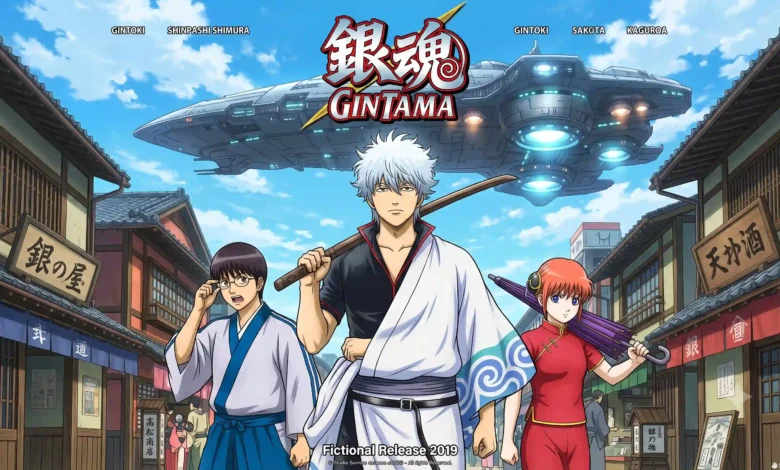
Gintama, the magnum opus of mangaka Hideaki Sorachi, is arguably the most unique, unpredictable, and universally acclaimed comedy anime in history. Consistently dominating the top spots on global anime ranking sites (like MyAnimeList), it is famous for flawlessly blending hysterical fourth-wall-breaking parody with some of the most emotionally devastating, high-stakes samurai action ever put to paper.
However, getting into Gintama is a famously daunting task for new viewers. The franchise spans over 360 episodes, several OVAs, and three feature-length theatrical movies. The sheer size of the series is intimidating enough, but the real confusion stems from the bizarre naming conventions of the seasons. Instead of simple numbers, the studio used punctuation marks to denote new seasons (such as Gintama’, Gintama°, and Gintama.). Furthermore, the series is notorious for time-skips, out-of-order arcs (like the “Slip Arc”), and an infamous double-episode premiere that accidentally causes thousands of newcomers to drop the show entirely.
To help you navigate the chaotic, hilarious, and ultimately heartbreaking world of Edo, we have created the most comprehensive and deeply detailed episode guide available anywhere on the internet. We will provide the definitive Gintama chronological watch order, explain the deep lore of the Joui War and the Amanto, break down the “Episode 1 Trap,” and give you a master list of how to navigate the series’ legendary filler. Before you grab your strawberry milk and wooden sword, check out our about us page, or explore more anime watch orders on our site.
- Watch on Crunchyroll (Houses the complete TV series and most movies)
- Watch on Hulu (Select early seasons available – US Only)
- Note: The final movie, “Gintama: The Very Final,” may require digital purchase/rental on platforms like Apple TV or Prime Video depending on your region.
The Episode 1 & 2 Trap: How to Start Gintama Correctly
Before we even look at the watch order, we must address the single biggest mistake new viewers make: Watching Episodes 1 and 2.
When the Gintama anime was first greenlit in 2006, Studio Sunrise created a special, double-length premiere episode to celebrate the manga’s transition to television. Episodes 1 and 2 are 100% non-canon filler. They were written exclusively for fans who had already read the manga. The premiere throws nearly 20 different characters onto the screen at once without introducing a single one of them, bombarding the viewer with inside jokes and chaotic nonsense.
If you start with Episode 1, you will be completely overwhelmed, terribly confused, and highly likely to drop the series. You must start your Gintama journey at Episode 3. Episode 3 adapts Chapter 1 of the manga, properly introducing the main character (Gintoki Sakata), explaining the lore of the world, and setting the actual pace of the series. You can return to Episodes 1 and 2 much later once you are familiar with the cast, treating them as a fun, non-canon OVA.
Understanding the Lore: Edo, Amanto, and the Joui War
To fully appreciate the narrative mastery and the eventual dramatic shift in Gintama, you need a firm grasp of its unique, anachronistic world-building. The setting is a brilliant mashup of historical Edo-period Japan and futuristic sci-fi.
The Amanto Invasion
In the late Edo period, Earth was invaded by highly advanced extraterrestrial alien species collectively known as the Amanto. Despite a fierce, bloody resistance by the Earth’s samurai, the Shogun realized humanity was outmatched by the aliens’ superior technology. The Shogun surrendered, signing unequal treaties that allowed the Amanto to freely walk the streets, conquer the economy, and establish puppet governments. To prevent future uprisings, the government enacted the “Sword Ban,” stripping the samurai of their weapons and their pride.
The Joui War and the Shiroyasha
The resistance against the Amanto was known as the Joui War. The most feared and legendary fighters in this war were a group of young, fiercely loyal disciples taught by a benevolent scholar named Shoyo Yoshida. When their master was taken from them, these young men—Gintoki Sakata, Kotaro Katsura, Shinsuke Takasugi, and Tatsuma Sakamoto—became terrifying demons on the battlefield. Gintoki, due to his silver hair, white blood-stained robes, and ferocity, earned the legendary moniker “Shiroyasha” (The White Demon).
Ultimately, they lost the war. The comrades were fractured by grief and opposing ideologies. In the present day, Takasugi seeks to destroy the world that took their master, Katsura leads a moderate anti-government terrorist faction, Sakamoto travels the stars as a merchant, and Gintoki has given up his sword to run a small odd-jobs business in the Kabukicho district.
The Factions of Kabukicho
- The Yorozuya (Odd Jobs Gin): Founded by Gintoki, this small business will do absolutely anything for money (finding lost cats, building snowmen, or saving the universe). He is joined by Shinpachi (a straight-laced teen trying to revive his family’s dojo) and Kagura (a super-powered, foul-mouthed alien girl from the deadly Yato clan).
- The Shinsengumi: The elite, heavily armed police force of Edo, primarily tasked with hunting down Joui terrorists. They are led by the gorilla-like stalker Isao Kondo, the mayonnaise-obsessed demonic vice-commander Toshiro Hijikata, and the sadistic prodigy Sougo Okita. While they often clash with the Yorozuya, they frequently team up when the city is in true peril.
- The Oniwabanshu: A covert group of highly trained ninja assassins who serve the Shogun. Prominent members include the stalker Ayame Sarutobi (Sa-chan) and the hemorrhoid-plagued Zenzo Hattori.
The Definitive Gintama Chronological Watch Order
The massive timeline of Gintama is split across several seasons with extremely confusing punctuation marks. To experience the story exactly as Hideaki Sorachi intended, follow this definitive chronological path:
Phase 1: The Classic Era
- Gintama (Season 1) – Watch Episodes 3–201 (Remember, skip 1 & 2!)
- Movie 1: Gintama: The Movie – Benizakura Arc (Optional)
- Note: This is a beautiful, high-definition cinematic remake of episodes 58–61. You can watch the TV episodes or the movie, both cover the exact same canon storyline.
- Gintama’ (Season 2) – Watch Episodes 202–252 (Note the apostrophe)
- Gintama’: Enchousen (Season 3) – Watch Episodes 253–265
- Movie 2: Gintama: Be Forever Yorozuya – MUST WATCH. A completely original, canon theatrical movie written by the creator that deals with time travel and acts as a massive milestone for the series.
Phase 2: The Modern and Final Eras
- Gintama° (Season 4) – Watch Episodes 266–316 (Note the degree symbol)
- Gintama. (Season 5) – Watch Episodes 317–328 (Note the period)
- Gintama.: Slip Arc (Season 6 / Porori-hen) – Watch Episodes 329–341
- CRITICAL WARNING: The “Slip Arc” was broadcast late, but it takes place CHRONOLOGICALLY before Episode 300 (The Shogun Assassination Arc). It adapts comedy chapters that the studio skipped over to get to the serious finale. You must watch it here in release order, but understand mentally that it is a flashback to happier times.
- Gintama.: Silver Soul Arc (Season 7 / Shirogane no Tamashii-hen) – Watch Episodes 342–367 (The final television season)
- Gintama: The Semi-Final (Special OVAs) – Watch Episodes 1 & 2 (Crucial bridge episodes between the end of the TV show and the final movie)
- Movie 3: Gintama: The Very Final – The ultimate, definitive conclusion to the entire franchise.
Franchise Canon vs. Filler Breakdown: Why Gintama Filler is God-Tier
In almost every other anime franchise (like Naruto or Bleach), “filler” is considered a dirty word. It represents tedious, poorly written side-quests that interrupt the main story. Gintama is the sole exception to this rule.
Because Gintama is fundamentally a comedy and a parody show, the anime-original filler episodes are virtually indistinguishable from the manga-canon episodes. The studio (Sunrise/Bandai Namco Pictures) perfectly understood the humor of the original author. Many of the highest-rated comedy episodes in the entire franchise are actually technically filler. Furthermore, the studio frequently uses filler episodes to literally complain about their lack of animation budget, breaking the fourth wall to talk to the audience about how hard it is to make an anime. Do not skip Gintama filler.
| Series / Season | Total Episodes | Manga Canon | Filler / Anime-Original | Filler Percentage |
|---|---|---|---|---|
| Gintama (Original) | 201 | 184 | 17 | ~8% |
| Gintama’ | 51 | 50 | 1 | ~2% |
| Gintama’: Enchousen | 13 | 13 | 0 | 0% |
| Gintama° | 51 | 51 | 0 | 0% |
| Gintama. (All Arcs) | 51 | 51 | 0 | 0% |
| Total Franchise | 367 Episodes | 349 Episodes | 18 Episodes | ~5% |
Detailed Major Story Arc Guide (The Serious Arcs)
While Gintama spends 80% of its runtime as a brilliant, episodic comedy, it occasionally transitions into sweeping, multi-episode “Serious Arcs.” When this happens, the animation quality skyrockets, the comedy vanishes, and it becomes a brutal, emotionally devastating samurai epic. Use the expandable accordions below to read a spoiler-free summary of the most critical serious arcs that define the overarching plot.
1. The Benizakura Arc (Episodes 58–61 or Movie 1)
- Status: 100% Canon
- Summary: The very first major serious arc in the franchise. A mysterious, living biological sword known as “Benizakura” begins possessing a deadly assassin, resulting in a string of brutal murders across Kabukicho. When Katsura goes missing and Gintoki is severely wounded, the Yorozuya are pulled into a violent confrontation with Shinsuke Takasugi’s extremist Kiheitai faction. It marks the first true clash between the former Joui war comrades.
- Verdict: MUST WATCH. This arc permanently shifts the viewer’s perception of the series, proving that Gintoki is a terrifyingly capable warrior.
2. Yoshiwara in Flames Arc (Episodes 139–146)
- Status: 100% Canon
- Summary: A young boy hires the Yorozuya to find his mother in Yoshiwara, the underground red-light district of Edo, which operates entirely outside the law of the Shogunate. The city is ruled with an iron fist by Housen, the “King of the Night,” an impossibly powerful, tyrannical member of the Yato clan (the same alien race as Kagura). The crew teams up with the district’s elite courtesan guard, Tsukuyo, to overthrow the tyrant and bring sunlight back to the underground city.
- Verdict: MUST WATCH. It introduces Kamui (Kagura’s sadistic, bloodthirsty brother) and features some of the most brutal, bloody hand-to-hand combat in the series.
3. Kabukicho Four Devas Arc (Episodes 210–214)
- Status: 100% Canon
- Summary: The delicate power balance of the Kabukicho district is shattered when a ruthless gang war breaks out among the “Four Devas”—the four reigning crime lords of the city, which includes Gintoki’s elderly landlady, Otose. When Otose is targeted for assassination by a legendary former Joui warrior, Gintoki flies into an unprecedented, blinding, and terrifying rage.
- Verdict: MUST WATCH. One of the most emotionally gripping arcs, deeply exploring the “found family” dynamic of the Yorozuya.
4. Shogun Assassination & Farewell Shinsengumi Arcs (Episodes 300–316)
- Status: 100% Canon
- Summary: The point of no return. What starts as a seemingly standard mission to protect the beloved, goofy Shogun (Shigeshige Tokugawa) rapidly spirals into a catastrophic, multi-faction war. The true antagonists of the series, the Tendoshu and the immortal entity Utsuro, make their move to seize complete control of the country. These two back-to-back arcs completely destroy the status quo of the series, permanently killing major characters, forcing the Shinsengumi to ally with terrorists, and culminating in the highly anticipated, intensely personal, and bloody duel to the death between Gintoki and Takasugi.
- Verdict: MUST WATCH. Widely considered the absolute peak of the franchise, delivering cinematic, heart-stopping narrative payoffs to storylines that had been building for 300 episodes.
5. Rakuyou Decisive Battle & Silver Soul Arcs (Episodes 317–367)
- Status: 100% Canon
- Summary: The epic, world-spanning conclusion to the TV series. The scattered remnants of the resistance travel to the distant planet of Rakuyou (the home world of the Yato clan) to regroup and uncover the origins of the immortal villain, Utsuro. Following this, the “Silver Soul” arc begins, marking an all-out, apocalyptic war for the survival of Earth. Every single character, gag villain, and side character introduced over the past 300 episodes unites in Edo to fight against the massive invasion fleet of the Altana Liberation Army.
- Verdict: MUST WATCH. The grand finale that brilliantly balances the trademark comedy with world-ending stakes.
The “Slip Arc” Explained: Why is it Out of Order?
One of the most frequent questions new viewers have is regarding the Slip Arc (Porori-hen).
When you reach Episode 300, Gintama enters its final endgame phase. From Episode 300 to the series finale, the overarching story is incredibly dark, dramatic, and serialized. There are no more episodic comedy moments. However, when the manga entered this final phase, there were still several hilarious, canon comedy chapters that the anime studio had never adapted.
To fix this, the studio released the Slip Arc (Episodes 329–341) right in the middle of the final serious arcs. It acts as a deliberate “flashback” season. The studio essentially pauses the apocalypse to say, “Hey, before the world ends, let’s go back in time and adapt these funny stories we forgot to animate!”
Chronologically, the events of the Slip Arc take place sometime around Episode 290. However, you must watch it in the release order (after Episode 328), because the characters frequently break the fourth wall to joke about the fact that they are stalling the final season.
Differences Between the Manga and the Anime
Because Gintama relies so heavily on rapid-fire cultural references, Japanese wordplay, and direct parodies of other anime, the translation and localization of the series is considered one of the hardest jobs in the anime industry. If you watch the anime via Crunchyroll, the translators utilize “Translator Notes” (TL Notes) at the top of the screen to explain obscure Japanese historical jokes.
The most famous difference between the anime and the manga involves Censorship and Copyright Law. Gintama frequently parodies other properties owned by different companies. For example, during the “Renho Arc,” the anime heavily parodied Mobile Suit Gundam. Because the studio (Sunrise) actually owned the rights to Gundam, they were able to use exact sound effects, character designs, and music. However, when they parodied properties they did not own (like Nintendo games, politicians, or other shonen manga), they often had to draw censor bars over the characters’ eyes or literally bleep out words to avoid massive lawsuits, which only added to the comedic genius of the show.
Frequently Asked Questions (FAQ)
How many episodes do I need to watch before Gintama “gets good”?
This is the most common hurdle for new fans. Because Gintama has such a massive, eccentric cast of characters, the first 50 episodes act as world-building and character introductions. The show is episodic comedy during this phase. However, once you hit Episode 58 (The Benizakura Arc), the overarching, serious plot officially begins. If you can make it past the first 50 episodes, you will be rewarded with what many consider to be the greatest anime of all time.
Is the romance a major focus in Gintama?
No. While characters like Sarutobi (Sa-chan) and Tae Shimura’s stalker (Kondo) provide massive amounts of romantic-comedy relief, Gintama is fundamentally a story about found family, samurai honor, and platonic bonds. Gintoki does not have an official love interest by the end of the series.
Do I have to watch the Live-Action Gintama movies?
No. While the Japanese live-action Gintama movies (starring Shun Oguri as Gintoki) were massive box office successes and are generally considered highly entertaining by the fanbase, they are completely separate from the anime continuity. They adapt early arcs (like the Benizakura and Shinsengumi Crisis arcs) and are entirely optional.
What does “Gintama” actually mean?
The title Gintama translates roughly to “Silver Soul,” referencing Gintoki’s silver hair and unyielding samurai spirit. However, the author, Hideaki Sorachi, intentionally chose the title as an elaborate dirty joke. By changing a single letter from “G” to “K”, the word becomes “Kintama,” which translates to “Golden Balls” (a Japanese slang term for testicles). This sets the tone for the entire franchise.
Is the Gintama anime truly over?
Yes. After numerous “fake endings” where the anime studio literally trolled the audience by announcing the show was cancelled (only to return the next year), the franchise has finally concluded. The theatrical film, Gintama: The Very Final, flawlessly adapts the final chapters of the manga, providing a gorgeous, emotional, and satisfying end to the Yorozuya’s journey.